

Discovering the Canadian Canoe Museum: A Journey Through History and Nature

Updated: Apr 7
I grew up in the Peterborough area and still visit my parents regularly. Until recently, I had never set foot in the Canadian Canoe Museum. It’s one of those places you hear about but never quite make it to — always thinking, "I’ll go another day." When I finally went, I was honestly surprised by how much it made me reflect on Canadian history and my own connection to the outdoors and the waterways I’ve spent so much time around.
A Perfect Location
The museum’s new location on the shores of Little Lake feels like the perfect fit. Even as someone who knows this area well, walking up to the building felt different — intentional, grounded, and deeply connected to the water. The trails, the lake views, and the calm energy of the space immediately slow you down, in the best way.
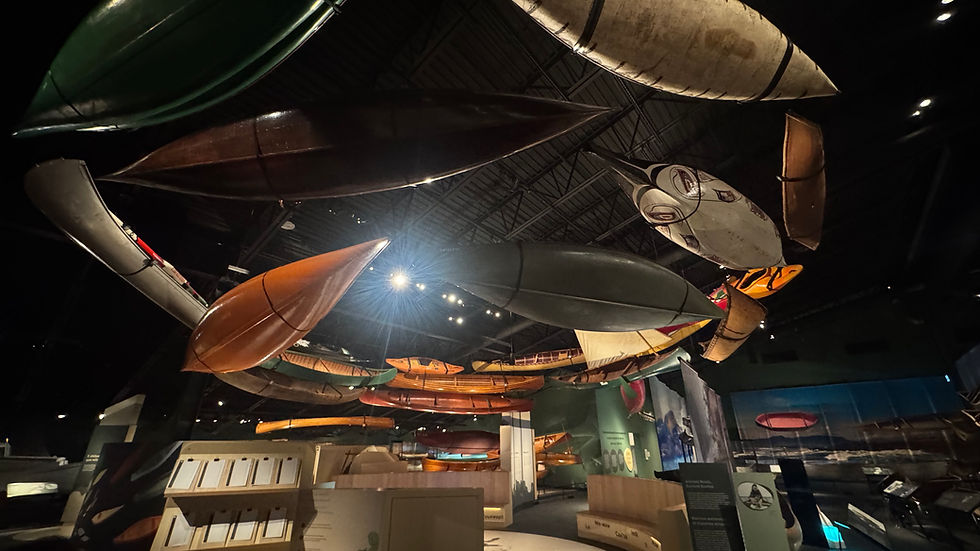
An Immersive Experience
Inside, the museum is bright and expansive. Can you imagine canoes suspended overhead, almost like motion frozen in time? It doesn’t feel stiff or untouchable — it feels alive. As you move through the space, you quickly realize this isn’t just about boats. It’s about movement, survival, exploration, and the relationship between people and nature.
The collection is incredible: hundreds of canoes and paddled watercraft from across Canada and around the world. Each one tells a story — not just of where people traveled, but why. As someone who spends a lot of time outdoors hiking, camping, and paddling, I found myself constantly drawing connections between the adventures we choose today and the journeys people relied on for survival centuries ago.
The Canoe's Role in Canadian History
One section that really stood out to me focused on the role of canoes in the Canadian fur trade. Canoes weren’t recreational — they were essential. These waterways were the highways of early Canada, and entire economies depended on skilled paddlers navigating vast, unpredictable routes.
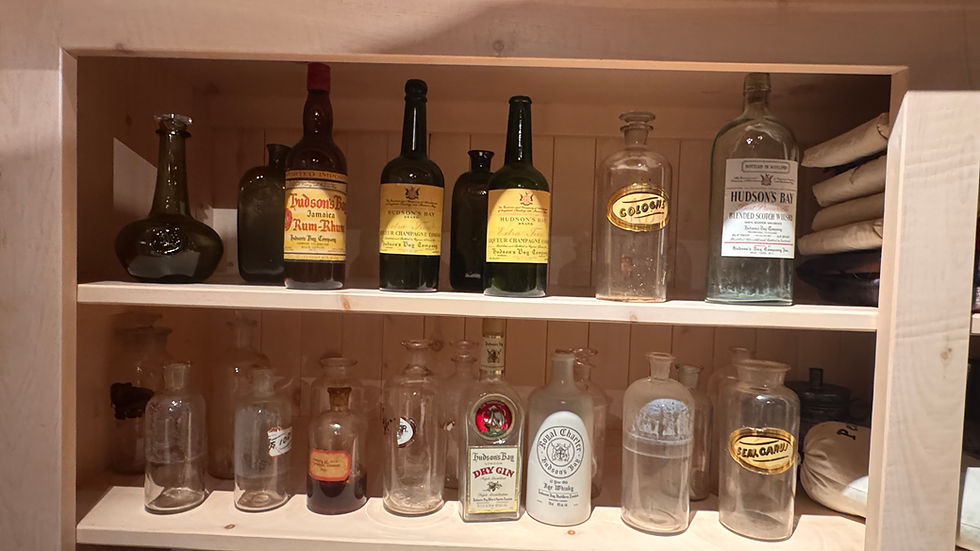
What made this part especially fascinating was the display of artifacts that would have been carried inside the canoes. Seeing trade goods, tools, and even liquor bottles brought a very human element to the story. It wasn’t just about commerce — it was about endurance, long days on the water, relationships between traders and Indigenous communities, and the realities of life on the move.
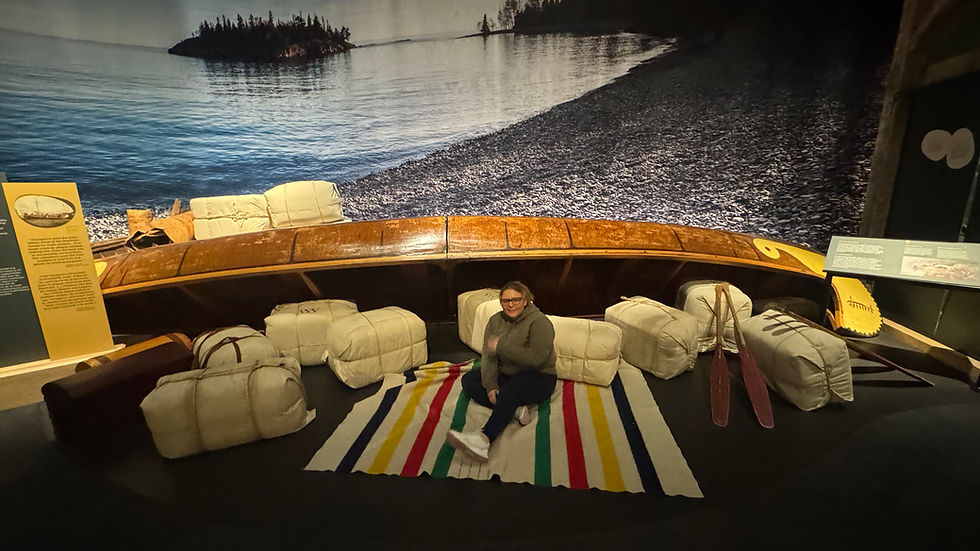
It’s impossible not to feel humbled thinking about the physical demands of these journeys: paddling for hours, portaging heavy loads, and navigating weather with no modern gear. It added a whole new layer of respect to the outdoor adventures many of us choose today.
Connecting with Nature
If you love being outdoors, this museum will resonate with you on a different level. It puts modern adventure into perspective and deepens your appreciation for the land and water we play on today.
History Meets Movement: This isn’t passive learning — it’s about paddling, portaging, and exploring. You’ll walk away thinking differently about every canoe trip you take.
Inspiration to Get on the Water: With canoe and kayak rentals and voyageur experiences available seasonally, the museum doesn’t just tell stories — it invites you to live them.
Meaningful Adventures: Understanding the routes, tools, and resilience of those who came before us makes today’s camping and paddling trips feel richer and more intentional.
Mindful Outdoor Approach: The setting, the exhibits, and the lakefront all reinforce the value of moving with purpose and respecting the environment.
Whether you’re a weekend camper, a seasoned paddler, or someone who simply feels better when they’re outside, this place adds depth to the way you experience the outdoors.
Encouraging Action
What truly sets the Canadian Canoe Museum apart is that it doesn’t stop at education — it encourages action. Learning about paddling culture and history indoors and then stepping outside to see the water feels incredibly intentional.
In warmer months, visitors can rent canoes or kayaks directly from the museum or take part in guided voyageur canoe tours on Little Lake. Even if you don’t paddle that day, spending time by the water afterward — coffee in hand, watching the lake — feels like a natural extension of the experience.
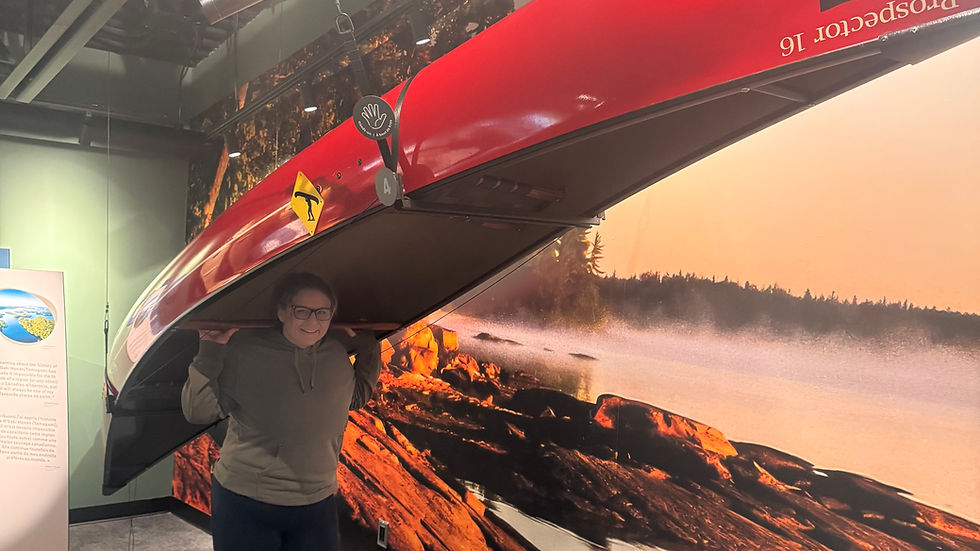
Visiting the Canadian Canoe Museum for the first time — after living in Peterborough most of my life — reminded me that adventure doesn’t always mean going far. Sometimes it’s about learning more deeply about the places we already love.
This museum celebrates movement, resilience, craftsmanship, and connection to the land and water — values that align perfectly with the way I live my life. If you’re local and have been putting it off like I did, take this as your sign. Some of the most meaningful adventures are waiting right in your own backyard.
If you check out the Canadian Canoe Museum, leave me a comment and tell me your thoughts!
Happy Camping 🏕️
Love,
Liz 💖


Comments